

Live cohorts
Cloud / QA / Dev
Weekly mentor review
Structured checkpoints
English-language IT education with measurable outcomes
Career switch support
Flexible schedule
Project-based learning
Learn modern IT skills through guided practice, clear milestones and industry-focused course paths.
IT SONS LTD delivers practical learning routes for software development, QA, cloud foundations, cyber security and digital career progression. Every module is shaped around applied skills, portfolio output and confident technical growth.
Format
Evening & weekend study
Approach
Hands-on labs and task reviews
Focus
Skills you can actually use
- Smaller groups with focused support
- Course pathways built around real skills progression
- Portfolio tasks, revision prompts and interview practice
Learning overview
Structured delivery
Learning designed to stay useful
Learners move through focused modules, technical tasks, scenario-based exercises, milestone reviews and final project work that supports confidence in real environments.
Detailed learning routes
Programmes built around skills progression, confidence and portfolio depth
Each programme balances conceptual understanding with hands-on work. Learners are expected to practise regularly, complete technical tasks, explain decisions clearly and demonstrate outcomes through case-based assignments.
Software Development Track
Ideal for learners building a foundation in modern web development and software thinking.
- HTML, CSS, responsive layouts and accessibility essentials
- JavaScript fundamentals, DOM logic and interface behaviour
- Version control, debugging flow and collaborative coding habits
- Front-end architecture basics, components and deployment awareness
Beginner to JuniorPortfolio-ready
QA & Test Automation Track
Designed for those who want to understand product quality, release reliability and test coverage.
- Manual testing strategy, defect reporting and evidence quality
- Test design techniques, regression planning and acceptance criteria
- Automation fundamentals with scripting logic and test maintenance
- API checks, browser workflows and reporting discipline
Structured QA flowReal test cases
Cloud, Data & Security Route
For learners who want broader technical literacy and role flexibility across modern infrastructure.
- Cloud service concepts, environments and deployment thinking
- Data handling, dashboards, SQL logic and operational reporting
- Security hygiene, identity, access control and risk basics
- Documentation, policy awareness and support-readiness
Cross-functionalBusiness-relevant
How learning works
A structured model with clarity at every stage
We focus on learning consistency. Instead of overloading learners with disconnected material, modules are sequenced logically, outcomes are visible early and each step has a clear purpose.
Skills mapping and onboarding
Initial orientation identifies prior exposure, time availability, confidence level and practical goals. This helps shape the most suitable track and pace.
Weekly learning blocks
Every week combines theory notes, guided examples, workshop tasks and independent reinforcement exercises designed for measurable retention.
Checkpoint reviews
Progress is reviewed through mini-assessments, feedback notes, practical corrections and communication coaching for technical explanations.
Project and progression planning
Learners finish with capstone-style work, a stronger portfolio narrative and advice on how to continue studying or prepare for roles responsibly.
What learners actually study
Detailed curriculum coverage with practical depth
Our content is intentionally broad enough to support progression and focused enough to stay relevant. We prioritise vocabulary accuracy, process understanding, tool confidence and the ability to apply knowledge step by step.
Foundational Layer
- Digital workflows, operating environments and professional file organisation
- Technical terminology for modern product teams and delivery cycles
- Core internet, browser, hosting and client-server concepts
- Secure working habits, access management and responsible data handling
- Task estimation, documentation structure and communication norms
Practical Engineering Layer
- Layout systems, interaction patterns and interface responsiveness
- Programming logic, conditions, loops, functions and reusable code patterns
- Debugging workflows, console analysis and issue isolation
- Testing logic, defect reproduction and verification quality
- Version history, change control and collaborative handover habits
Applied Career Layer
- Scenario-based exercises, mini briefs and practical decision-making
- Portfolio framing, case summaries and results presentation
- Interview readiness, technical self-introduction and strengths articulation
- Role awareness across junior developer, QA, support, cloud and data functions
- Continuous learning methods for staying current without overwhelm
Learning outcomes
What successful learners are expected to leave with
Outcomes matter because confidence alone is not enough. We define progress through demonstration, explanation and execution quality.
Understand how core tools, workflows and environments connect rather than memorising isolated facts.
Complete guided tasks, portfolio pieces and documentation that reflect genuine learning effort.
Explain how testing, deployment, collaboration, reporting and revision fit into modern technical work.
Present skills more clearly in interviews, applications and internal progression conversations.
Support beyond lessons
Learning support designed for consistency, not noise
Many learners struggle not because the field is impossible, but because information is scattered. We reduce friction with focused learning materials, revision priorities, clearer milestones and better guidance on what to practise next.
Support can include study pacing advice, practical review notes, portfolio wording suggestions, confidence-building tasks and recommendations for next-step specialisation.
Mentor feedback
Actionable corrections on assignments, structure, logic and technical explanation.
Capstone tasks
Consolidated work that shows understanding, discipline and decision-making quality.
Interview preparation
Practice describing tools, methods and achievements in a more credible way.
What learners value
Feedback themes we hear most often
The strongest feedback is usually about structure, confidence and finally understanding how all the parts fit together.
“The programme gave me a clear path. I stopped jumping between random tutorials and finally understood how to practise in a disciplined way.”
Career-switch learner, front-end route“The testing modules were detailed and realistic. I learned how to write stronger bug reports and think more carefully about risk.”
Junior QA learner“What helped most was the feedback. The comments were specific, practical and focused on what to improve next.”
Cloud & support learner
Learning environment
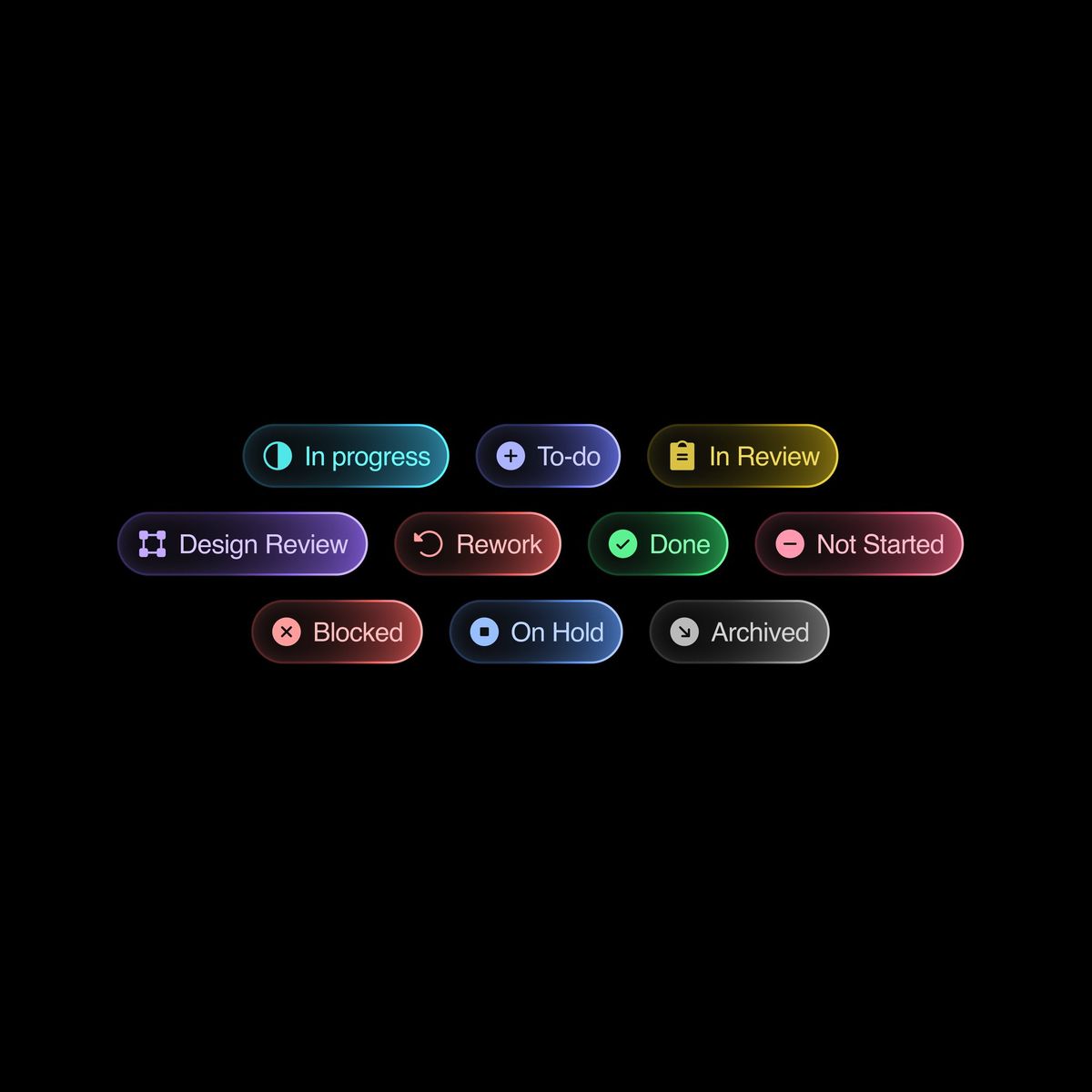
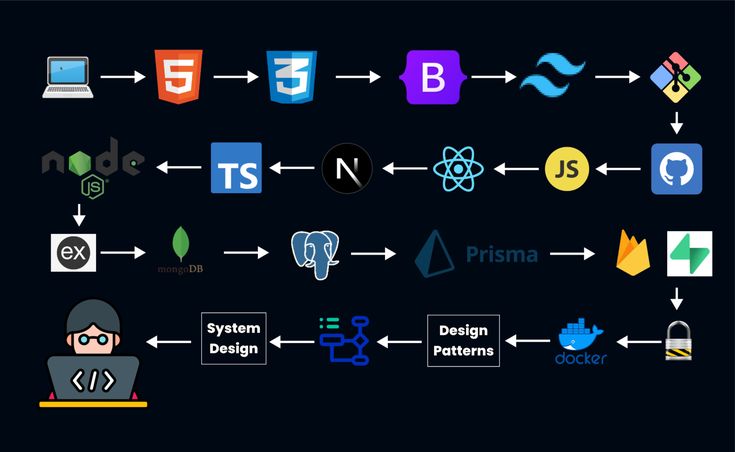
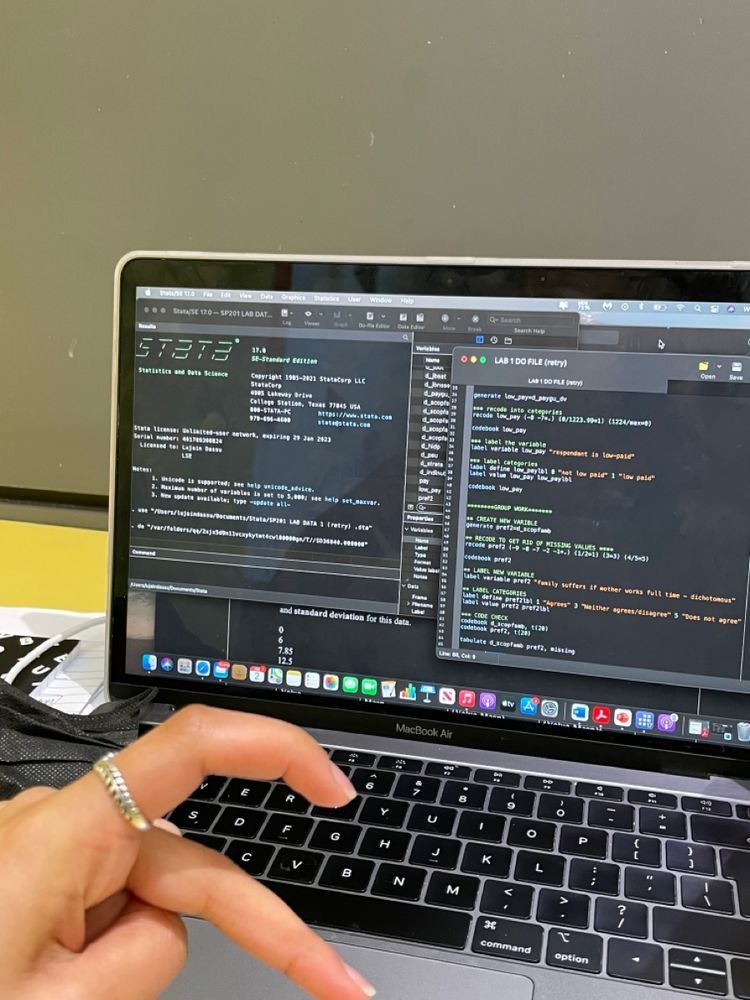
Visual snapshots of our course focus areas
Our learning environment is organised around clarity, task flow and applied technical practice across the most in-demand entry and progression pathways.
Common questions
Frequently asked questions
Do I need previous IT experience?
No. Some tracks are beginner-accessible. We focus on building understanding carefully, though learners should be ready to practise consistently.
Are the lessons suitable for working adults?
Yes. Study planning is designed with realistic schedules in mind, especially for evening and weekend learning windows.
Is the training theoretical or practical?
It is practical by design. Theory is included only where it supports implementation, troubleshooting, decision-making and communication.
What kind of roles can this support?
Depending on the track, the learning can support preparation for junior developer, QA, support, cloud operations, technical assistant or data-related entry routes.
Talk to admissions
Request course guidance and a personalised study recommendation
Tell us about your current level, preferred schedule and the area you want to study. We will help map a sensible route based on your goals and learning capacity.